How to Plan Your Commute During Road Closures in the UK
Road closures across the UK are now a regular part of daily travel, particularly in towns and cities where road...
READ MORE...
Speeding penalties are no joke in the UK. With hundreds of cameras across the country, understanding how each one works can help you drive safer and smarter. In this blog, we explore the main types of speed cameras UK drivers encounter and how they help enforce traffic laws.
Speed cameras are placed to reduce accidents, control dangerous driving, and improve road safety. The UK uses a wide variety of camera types on motorways, urban streets, and rural roads. These cameras monitor not only speed but also live traffic conditions in the UK through CCTV feeds.
These are the most familiar and visible cameras on UK roads. Fixed speed cameras in the UK are usually fixed on poles or overhead frames and stay in one location. They use radar or sensors embedded in the road to detect vehicles going over the speed limit.
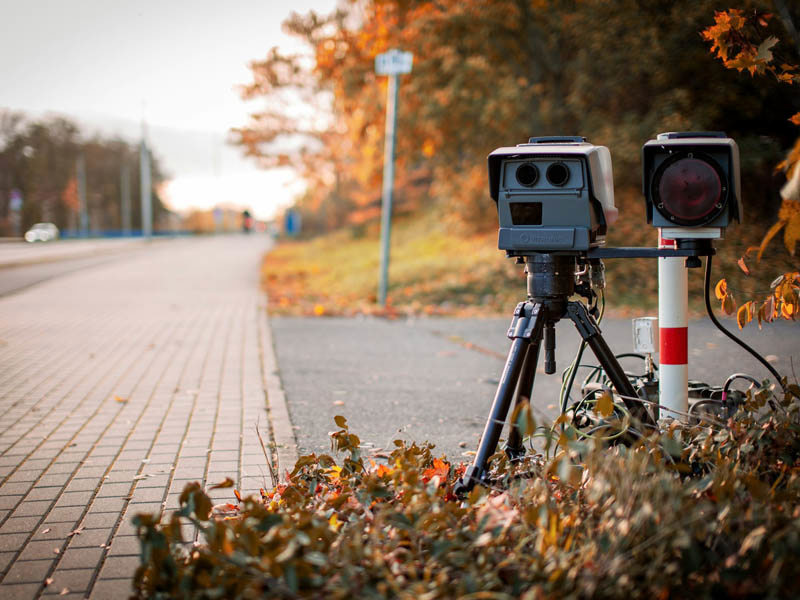
They issue automatic penalties if you are caught speeding.
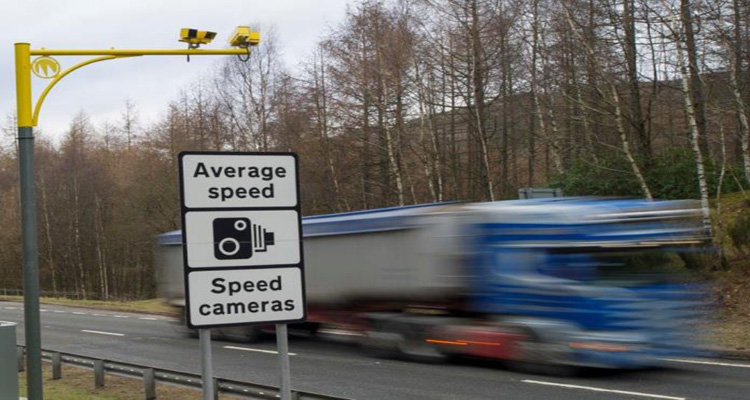
Rather than recording your speed in one spot, average speed cameras in the UK monitor your speed across a stretch of road. They calculate the time it takes for your car to travel between two points.
They are particularly effective at reducing speeding in roadwork zones.
These are flexible and can appear in different locations at any time. Mobile speed cameras in the UK are operated from marked or unmarked vehicles parked at the roadside or on bridges.
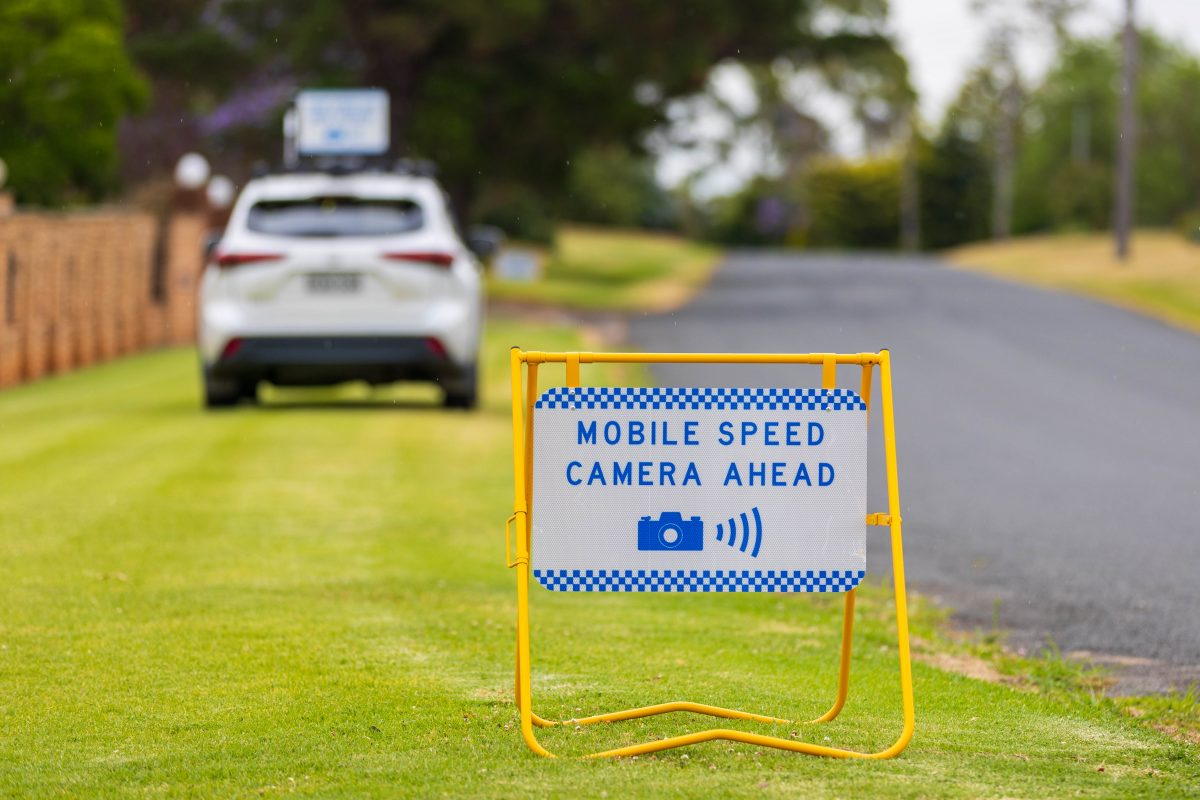
Always keep an eye out for mobile units in high-risk zones.
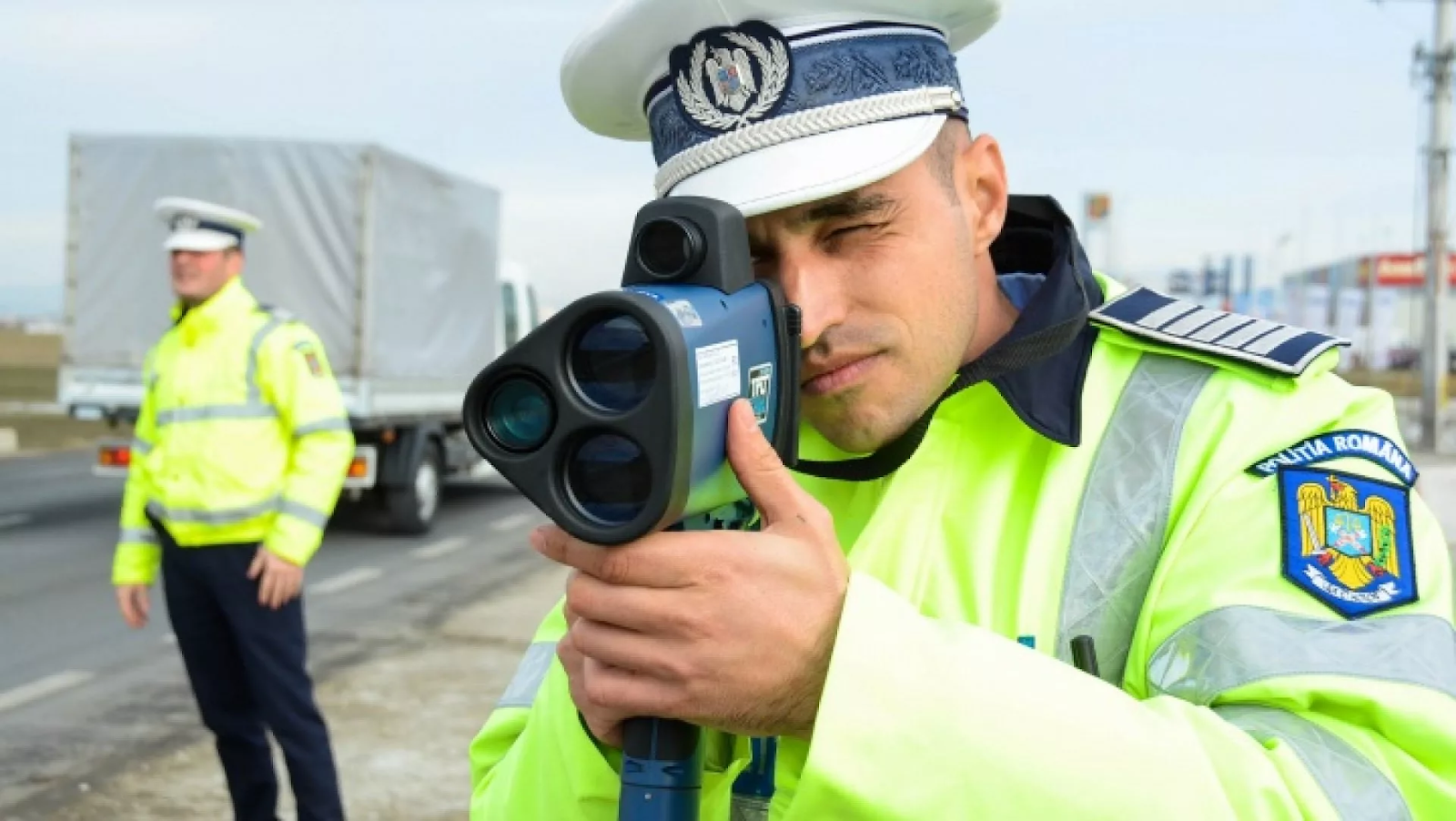
Police officers use handheld radar speed cameras in the UK for quick, on-the-spot enforcement. They stand at the roadside and use a small radar gun aimed at moving vehicles.
They are common during local speed enforcement campaigns.
Short for Highways Agency Digital Enforcement Camera System, HADECS speed cameras in the UK are found on smart motorways. They are often small and less noticeable but very effective.
These cameras blend into the motorway setup, making them harder to spot.
While many cameras issue penalties, others are used to observe traffic patterns. Live traffic cameras in the UK help traffic authorities detect congestion and reroute vehicles when needed. These may not issue tickets but work alongside speed cameras to improve road efficiency.
Knowing the types of speed cameras UK roads use is not just about avoiding fines. It is about being aware, staying safe, and respecting traffic laws. Whether it is a fixed camera or a mobile unit, each one plays a part in keeping our roads secure.
The UK uses a wide variety of speed cameras to make roads safer for everyone. From fixed and average speed cameras to mobile and HADECS systems, each plays a role in reducing accidents and encouraging responsible driving. Understanding the types of speed cameras UK roads feature helps you stay alert, drive safely, and avoid costly penalties.
1. Are all speed enforcement cameras active all the time?
No, not all are active at once. However, there’s no way to know which is which, so it is best to always follow the speed limit.
2. Do average speed cameras work at night?
Yes, they use infrared and are active 24/7, regardless of lighting.
3. Can mobile speed trap cameras catch you from both directions?
Some can, depending on the equipment used. It is best to assume they can detect speed in either direction.
4. Do HADECS cameras flash?
No, HADECS cameras typically do not flash, making them harder to notice.
Speed cameras are not just about penalties—they are there to protect lives. Being informed helps you avoid unnecessary fines and drive with peace of mind.
Take the time to understand each camera type and always drive within legal limits.


Get real-time traffic alerts, exclusive camera access, up to 20% off partner services, and priority updates-only for members!
Get Free Access