How to Plan Your Commute During Road Closures in the UK
Road closures across the UK are now a regular part of daily travel, particularly in towns and cities where road...
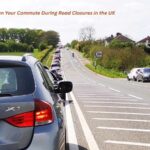
READ MORE...Road closures across the UK are now a regular part of daily travel, particularly in towns and cities where road maintenance and improvement work is ongoing. For regular commuters, these closures can result in longer journeys and less predictable travel times if they are not planned for in advance. With roadworks and repairs taking place throughout the year, disruption has become something many drivers and passengers must routinely manage.
A sensible first step is to find out why a road is closed and how long the closure is expected to last. Some closures are planned and signposted well in advance, while others happen at short notice due to accidents or emergency repairs. Information from local council websites, traffic reports, and official travel updates can help clarify the situation in more detail. Knowing whether a closure will last a few days or several months makes it easier to decide whether a temporary detour will suffice or whether a more permanent change to your route is needed.
Rather than relying on a single route, it is usually worth identifying at least two alternative ways to complete your commute safely. Diversion routes can become congested quickly, especially during peak travel times, and conditions can change from day to day. Navigation apps such as Google Maps and Waze provide live traffic updates and make it easier to compare different options before setting off. In practice, a route that is slightly longer in distance may prove more reliable if it avoids busy junctions, narrow roads, or temporary traffic controls.
Consistency also matters when dealing with ongoing road closures over time. Once you find a route that works reasonably well, sticking with it often produces better results than frequently changing direction. After the initial period of disruption, traffic patterns tend to settle, making journey times more predictable. Regular use of the same route also helps you identify where delays are most likely and plan your departure time accordingly.
Adjusting when you travel can further reduce the impact of closures during the working week. Leaving slightly earlier or later than usual may help you avoid the heaviest congestion on diversion routes. Even minor changes to your schedule can improve overall journey times. Where flexible working hours are available, travelling outside peak periods can make commuting more manageable during extended roadworks.
Public transport can also be a practical alternative during major road closures. In some cases, driving becomes significantly slower, while train, tram, or bus services continue to run with minimal disruption. Transport operators may also adjust services to meet increased demand. Using public transport for part of your journey, such as driving to a station or park-and-ride facility, can help reduce delays. In urban areas, cycling or walking shorter sections of the commute may also be worth considering.
By staying informed, planning alternative routes, and remaining flexible in how and when you travel, it is possible to reduce the disruption caused by road closures and maintain a more reliable commute, even during prolonged periods of roadworks.
Planning your commute during road closures in the UK doesn’t have to be stressful. By understanding closures, preparing alternative routes, adjusting your travel timing, and considering public transport, you can maintain a smoother, more reliable journey. Staying informed and flexible ensures fewer delays and a more predictable commute, no matter how frequent the roadworks are.
Q1: How can I find out about upcoming road closures?
A: Check local council websites, traffic news, and official travel updates. Apps like Google Maps and Waze provide live alerts.
Q2: Are there apps that help with alternative routes during closures?
A: Yes, Google Maps, Waze, and local navigation apps provide real-time updates and suggest detours based on traffic conditions.
Q3: Can public transport really save time during road closures?
A: Absolutely. Trains, buses, and trams often run uninterrupted while roads are congested. Combining driving with public transport can reduce delays.
Q4: How do I adjust my commute to avoid traffic congestion?
A: Consider leaving earlier or later, using flexible work hours, and avoiding peak travel times whenever possible.
Q5: What should I do if road closures are unexpected?
A: Stay calm, use navigation apps for detours, and consider alternative modes like cycling or walking for short distances.
Road closures across the UK are now a regular part of daily travel, particularly in towns and cities where road...
READ MORE...
Why Traffic Cameras Are a Game-Changer A bit of a rhetorical question: do you enjoy being stuck in traffic? If...
READ MORE...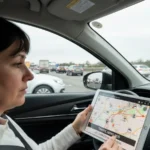
Who checks out traffic news m25 last 10 minutes? If you do, you’re one of the 150,000 regular users who...
READ MORE...
Every UK driver has a story about being caught off guard by the weather — fog on the M25, snow...
READ MORE...

Get real-time traffic alerts, exclusive camera access, up to 20% off partner services, and priority updates-only for members!
Get Free Access